

Are you tired of your makeup fading away before the day ends? Best Makeup Primer for Face that keeps your look fresh for hours.
The secret lies in choosing the best makeup primer for your face. This simple step can transform how your makeup sits and lasts, giving you confidence that lasts all day. Keep reading, and you’ll discover how to pick the perfect primer that suits your skin and makes your makeup shine like never before.
:max_bytes(150000):strip_icc()/ins-best-face-primers-tout-c252ffe841274cb398b77bcd31c552f8.jpg)
Credit: www.instyle.com
Why Use A Makeup Primer
Using a makeup primer helps create a smooth base for your face. It prepares your skin to hold makeup better. Primer keeps your makeup fresh for longer hours. It reduces shine and controls oil. It also hides pores and fine lines. This makes your makeup look even and flawless.If you are exploring best makeup primer cosmetics, our guide breaks down both high-end and budget picks for every skin type
Benefits For Skin And Makeup
Primer protects your skin from harsh makeup ingredients. It forms a thin barrier on your face. This stops makeup from clogging pores. Primers can hydrate dry skin or mattify oily skin. They help makeup stick to your face all day. Your foundation will not fade or smudge easily. It improves the overall finish of your makeup. Your skin looks smooth and natural under makeup.
Types Of Primers
There are many primers to suit different skin types. Mattifying primers work well for oily skin. They control shine and reduce oil. Hydrating primers add moisture for dry skin. They keep skin soft and plump. Color-correcting primers fix redness or dullness. They balance skin tone before foundation. Pore-filling primers blur pores and fine lines. Some primers have SPF to protect from sun. Choose a primer based on your skin needs.
Choosing The Right Primer
Choosing the right makeup primer is key to a flawless face. A good primer creates a smooth base for makeup. It helps makeup last longer and look fresh. Not all primers work the same for every skin. Picking one that suits your needs matters most. Consider your skin type and concerns before buying. This ensures the primer works well with your skin. Understanding these factors will guide you to the best choice.
Skin Type Considerations
Different primers suit different skin types. For dry skin, choose hydrating primers. They add moisture and prevent flakiness. Oily skin needs mattifying primers. These control shine and reduce grease. Normal skin can use lightweight primers. They keep the skin balanced without heaviness. Sensitive skin requires gentle formulas. Look for primers without irritants or fragrance. Knowing your skin type helps pick the best primer.
Targeting Specific Skin Concerns
Primers can also address skin problems. For redness, choose a green-tinted primer. It neutralizes the red tones on skin. Large pores benefit from pore-filling primers. They smooth the skin’s surface. Dull skin looks brighter with illuminating primers. These add a subtle glow under makeup. Acne-prone skin needs non-comedogenic primers. They do not clog pores or cause breakouts. Match the primer to your main skin concern.
Top Ingredients To Look For
Choosing the right makeup primer starts with knowing the key ingredients. These ingredients help improve your skin’s look and keep your makeup fresh. Each ingredient plays a special role in making your face smooth and ready for makeup.
Hydrating Components
Hydrating ingredients keep your skin moist and soft. Look for hyaluronic acid, glycerin, and aloe vera. These help stop dryness and create a smooth base. They make makeup apply evenly and last longer.
Pore-minimizing Agents
Pore-minimizing agents help hide large pores and texture. Silicone-based ingredients like dimethicone work well. They fill in pores and fine lines for a smooth finish. This creates a flawless look without clogging your skin.
Oil Control Ingredients
Oil control ingredients reduce shine and keep your face fresh. Ingredients like salicylic acid and kaolin clay absorb excess oil. They stop makeup from sliding off your face. These are great for oily or combination skin types.
Credit: www.elfcosmetics.com
Best Primers For Different Skin Types
Choosing the right makeup primer depends on your skin type. Different primers work best for oily, dry, combination, and sensitive skin. Using the correct primer helps your makeup last longer and look smoother. It also protects your skin and controls shine or dryness. Below are some of the best primers for each skin type.
Primers For Oily Skin
Oily skin needs a primer that controls shine and reduces oil. Look for mattifying primers with ingredients like silica or clay. These help absorb excess oil and keep your face fresh. They create a smooth base that prevents makeup from sliding off.
Primers For Dry Skin
Dry skin needs hydration and smoothness. Choose primers with moisturizing ingredients like hyaluronic acid or glycerin. These primers add moisture and prevent flaking. They make your skin soft and prepare it well for foundation.
Primers For Combination Skin
Combination skin needs a balanced primer. It should control oil in the T-zone and hydrate dry areas. Look for lightweight formulas that are both mattifying and nourishing. These primers help even out your skin texture and keep makeup in place.
Primers For Sensitive Skin
Sensitive skin requires gentle, soothing primers. Avoid harsh chemicals or fragrances. Choose primers with calming ingredients like aloe vera or chamomile. These protect your skin and reduce redness, making your makeup application comfortable.
Application Tips For Flawless Skin
Applying makeup primer correctly helps achieve smooth, even skin. It creates a perfect base for foundation and extends makeup wear. Small steps before and during application make a big difference in the final look.
Prep Before Primer
Clean your face well to remove dirt and oils. Use a gentle cleanser that suits your skin type. Pat your skin dry with a soft towel. Apply a light moisturizer to keep skin hydrated. Wait a few minutes for moisturizer to absorb fully.
Proper Primer Application Techniques
Use a small amount of primer on your fingertips or a brush. Dab the primer on your forehead, cheeks, nose, and chin. Gently blend it outward in circular motions. Avoid rubbing too hard to prevent skin irritation. Allow the primer to set for a minute before applying foundation.
Layering With Other Products
Apply primer after moisturizer but before foundation. Use thin layers of each product to avoid heaviness. If using sunscreen, apply it before the primer. For oily skin, choose a mattifying primer to control shine. For dry skin, pick a hydrating primer to add glow.
Common Mistakes To Avoid
Choosing the best makeup primer for your face is important. Many people make mistakes that hurt their makeup look. Avoiding these errors helps your makeup last longer and look better. Here are common mistakes to watch out for.
Using Too Much Primer
Applying too much primer can cause your makeup to slide off. A small amount spreads easily and works well. Thick layers block your skin’s natural texture. Your foundation may look cakey or uneven. Use a pea-sized amount and blend well.
Ignoring Skin Type
Each skin type needs a different primer. Dry skin needs hydrating primers with moisture. Oily skin needs mattifying primers to control shine. Sensitive skin needs gentle, fragrance-free formulas. Using the wrong primer can cause breakouts or dryness. Match your primer to your skin type for best results.
Skipping Skincare Steps
Primer works best on clean, moisturized skin. Skipping cleansing or moisturizing can make primer patchy. Always wash your face and use a light moisturizer first. Let the moisturizer absorb fully before applying primer. This helps your makeup stay smooth and fresh all day.
Primer Recommendations By Budget
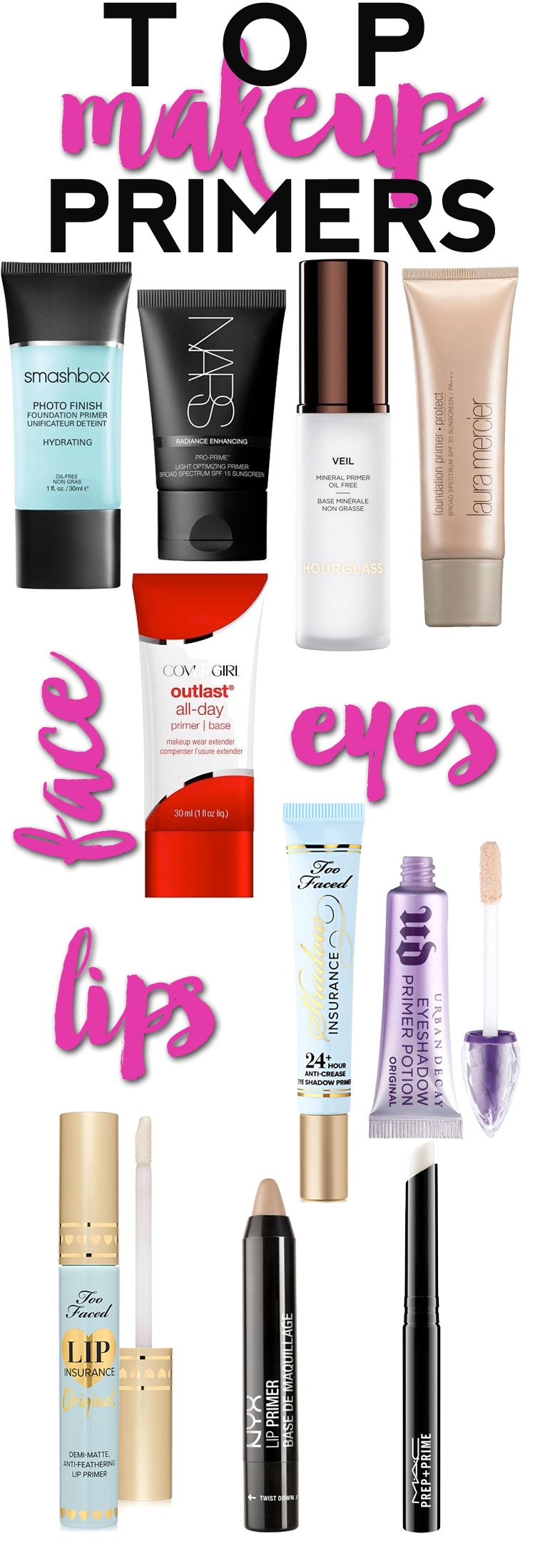
Choosing the Best Makeup Primer for Face can improve your overall makeup result. lightweight makeup Primer formulas work best for a natural finish. Different budgets mean different options. Some primers work well without costing much. Others offer extra benefits but cost more. Here are good primers for every budget. Pick one that fits your needs and wallet.
Affordable Options
Affordable primers still prepare your skin well. They smooth out pores and keep makeup in place. Look for products with simple ingredients. Drugstore brands offer good quality for less. These primers suit daily use and beginners.
Mid-range Picks
Mid-range primers add extra skin care benefits. Many include hydration or oil control. These products last longer on the skin. They work for different skin types. You get a balance of quality and price here.
Luxury Primers Worth The Splurge
Luxury primers offer advanced formulas and textures. They improve skin texture and glow. Some have anti-aging or brightening ingredients. These primers give a smooth, flawless base. Ideal for special occasions or skin care lovers.
Credit: www.beautifulmakeupsearch.com
Frequently Asked Questions
What Is The Best Makeup Primer For Oily Skin?
The best makeup primer for oily skin controls shine and reduces pores. Look for mattifying primers with ingredients like salicylic acid or clay for a smooth, long-lasting finish.
How Does A Makeup Primer Improve Foundation Wear?
Makeup primer creates a smooth base that helps foundation adhere better. It extends wear time, minimizes pores, and evens skin texture for a flawless look.
Can Makeup Primers Hydrate Dry Skin Effectively?
Yes, hydrating primers contain moisturizing ingredients like hyaluronic acid. They provide a smooth, dewy base and prevent foundation from flaking on dry skin.
Should I Use Different Primers For Day And Night Makeup?
Using lighter primers during the day and richer ones at night can benefit your skin. Day primers often focus on oil control, while night primers emphasize hydration and repair.
Conclusion
Choosing the best makeup primer helps your face look fresh all day. It smooths skin and keeps makeup in place longer. Different primers work for different skin types and needs. Find one that feels light and matches your skin well.
Use it before foundation for a flawless finish. A good primer makes makeup easier to apply. Try a few to see which suits you best. Your makeup routine can become simple and effective with the right primer.