

Your face is the first thing people notice, and protecting it from the sun is more important than you might think. You want the Best Sun Protection Moisturiser for Face that not only keeps your skin hydrated but also shields you from harmful UV rays.
Choosing the best sun protection moisturiser for your face can be tricky with so many options out there. But don’t worry—this guide will help you find the right moisturizer for your skin type and lifestyle,espacially if you stuggle with sun damaged or dehydrated skin . Keep reading to discover how you can keep your skin healthy, glowing, and safe every day.
Why Sun Protection Matters
Sun protection is essential for healthy skin. Daily exposure to sunlight can harm your skin in many ways. Using a sun protection moisturizer helps keep your skin safe every day.
Choosing the best sun protection moisturizer for your face is important. It shields your skin from harmful rays and keeps it smooth and healthy.
Effects Of Uv Rays On Skin
Ultraviolet (UV) rays come from the sun. They reach your skin and cause damage. UV rays can cause redness, sunburn, and peeling. Long exposure makes skin dry and rough.
UV rays break down collagen, the protein that keeps skin firm. This leads to wrinkles and sagging. UV rays also darken the skin, causing uneven tone and spots.
Risks Of Sun Damage
Sun damage can cause serious skin problems. It increases the risk of skin cancer, including melanoma. Sunburn damages skin cells and blood vessels. It can cause pain and long-term damage.
Repeated sun exposure speeds up skin aging. It causes wrinkles, fine lines, and dark spots. Skin can lose its natural glow and look dull.
Benefits Of Daily Sunscreen Use
Using sunscreen every day protects your skin from UV damage. It reduces the chance of sunburn and skin cancer. Sunscreen helps keep skin smooth and youthful.
Daily sun protection prevents dark spots and uneven skin tone. It supports healthy skin repair and hydration. A good sun protection moisturizer keeps your skin safe and nourished.

Credit: manforhimself.com
Key Features Of Top Moisturisers
Choosing the Best Sun Protection Moisturiser for Face means knowing what features matter most. A good moisturizer does more than just hydrate. It protects your skin from harmful UV rays and feels comfortable all day. Understanding these key features helps you pick the right product.
Broad-spectrum Spf Importance
Broad-spectrum SPF protects against both UVA and UVB rays. UVA rays cause aging and skin damage. UVB rays cause sunburn and can lead to skin cancer. A moisturizer with broad-spectrum SPF shields your skin from both types. This protection helps keep your skin healthy and youthful.
Hydrating Ingredients To Look For
Hydration is vital for smooth, soft skin. Look for ingredients like hyaluronic acid, glycerin, and ceramides. These lock in moisture and repair the skin barrier. A moisturizer with good hydration keeps your skin comfortable and glowing.
Non-comedogenic And Lightweight Formulas
Non-comedogenic formulas do not block pores. They help prevent acne and breakouts. Lightweight moisturizers absorb quickly and feel natural on skin. These qualities make the moisturizer easy to wear under makeup or alone.
Types Of Sun Protection Moisturisers
Best Sun Protection Moisturiser for Face come in different types. Each type offers unique benefits for the skin. Choosing the right one depends on skin needs and preferences. Understanding these types helps you pick the best product for daily use.
Chemical Vs Physical Sunscreens
Chemical sunscreens absorb UV rays. They contain ingredients like oxybenzone and avobenzone. These work well under makeup and feel light on skin.
Physical sunscreens block UV rays by reflecting them. Ingredients include zinc oxide and titanium dioxide. They suit sensitive skin and provide instant protection.
Both types protect from UVA and UVB rays. Some moisturisers combine chemical and physical filters for broad protection.
Moisturisers For Different Skin Types
Oily skin needs lightweight, oil-free moisturisers with sun protection. These prevent clogged pores and shine.
Dry skin benefits from richer, hydrating moisturisers with SPF. They keep skin soft and protected.
Sensitive skin requires gentle formulas without fragrances or harsh chemicals. Look for physical sunscreens in these cases.
Normal skin can use most types but should choose non-comedogenic products to avoid breakouts.
Tinted Vs Untinted Options
Tinted moisturisers have color pigments. They even out skin tone and reduce white cast from some sunscreens.
Untinted moisturisers are clear and suit all skin colors. They work well under makeup or alone.
Tinted options provide slight coverage and protect against visible light. Untinted ones focus only on UV protection.
How To Choose The Right Product
Choosing the Best Sun Protection Moisturiser for Face takes some thought. It is not just about picking any product with SPF. You need to find one that fits your skin type, is comfortable to wear, and protects you well. Understanding these key points helps you make a better choice.
Assessing Your Skin Needs
Start by knowing your skin type. Is your skin dry, oily, or sensitive? Dry skin needs moisturizers with extra hydration. Oily skin benefits from lightweight, non-greasy formulas. Sensitive skin requires gentle, fragrance-free products. Also, consider any skin concerns like acne or redness. Pick a moisturizer that supports your skin’s health while offering sun protection.
Checking Ingredient Labels
Look closely at the ingredient list. Choose products with broad-spectrum SPF. This protects against both UVA and UVB rays. Avoid ingredients that may irritate your skin. Common irritants include alcohol, fragrances, and certain preservatives. Natural ingredients like aloe vera or green tea can soothe your skin. Make sure the moisturizer matches your skin’s sensitivity.
Considering Application And Wearability
Think about how you will use the product daily. A moisturizer that feels heavy or sticky may discourage regular use. Choose a formula that absorbs quickly and feels light on the skin. If you wear makeup, a product with a matte finish might work better. Also, check if it is water-resistant for outdoor activities. Comfort and ease of use matter most for consistent protection.
Top Picks For Best Sun Protection Moisturisers
Choosing the Best Sun Protection Moisturiser for Face can protect your skin from harmful UV rays. It helps keep your face hydrated and safe. Different skin types need different products. Here are top picks that suit various skin needs.
Best For Dry Skin
Moisturizers for dry skin must hydrate deeply. Look for ingredients like hyaluronic acid and ceramides. These help lock in moisture and protect your skin. A good dry skin moisturizer feels creamy but not heavy. It keeps your skin soft all day while providing sun protection.
Best For Oily And Acne-prone Skin
Oily skin needs light, non-greasy formulas. Choose moisturizers labeled “oil-free” or “non-comedogenic.” They avoid clogging pores and causing breakouts. Gel-based moisturizers work well for oily and acne-prone skin. They protect from the sun without adding shine or weight.
Best For Sensitive Skin
Sensitive skin needs gentle products with soothing ingredients. Look for moisturizers with aloe vera or chamomile. Avoid fragrances and harsh chemicals that cause irritation. A good sensitive skin moisturizer calms redness and shields from the sun. It helps skin stay calm and protected all day.
Best Budget-friendly Options
Effective sun protection does not always cost a lot. Many affordable moisturizers offer broad-spectrum SPF and hydration. Look for trusted drugstore brands with good reviews. These products protect your skin without breaking the bank. They offer great value for daily sun care.
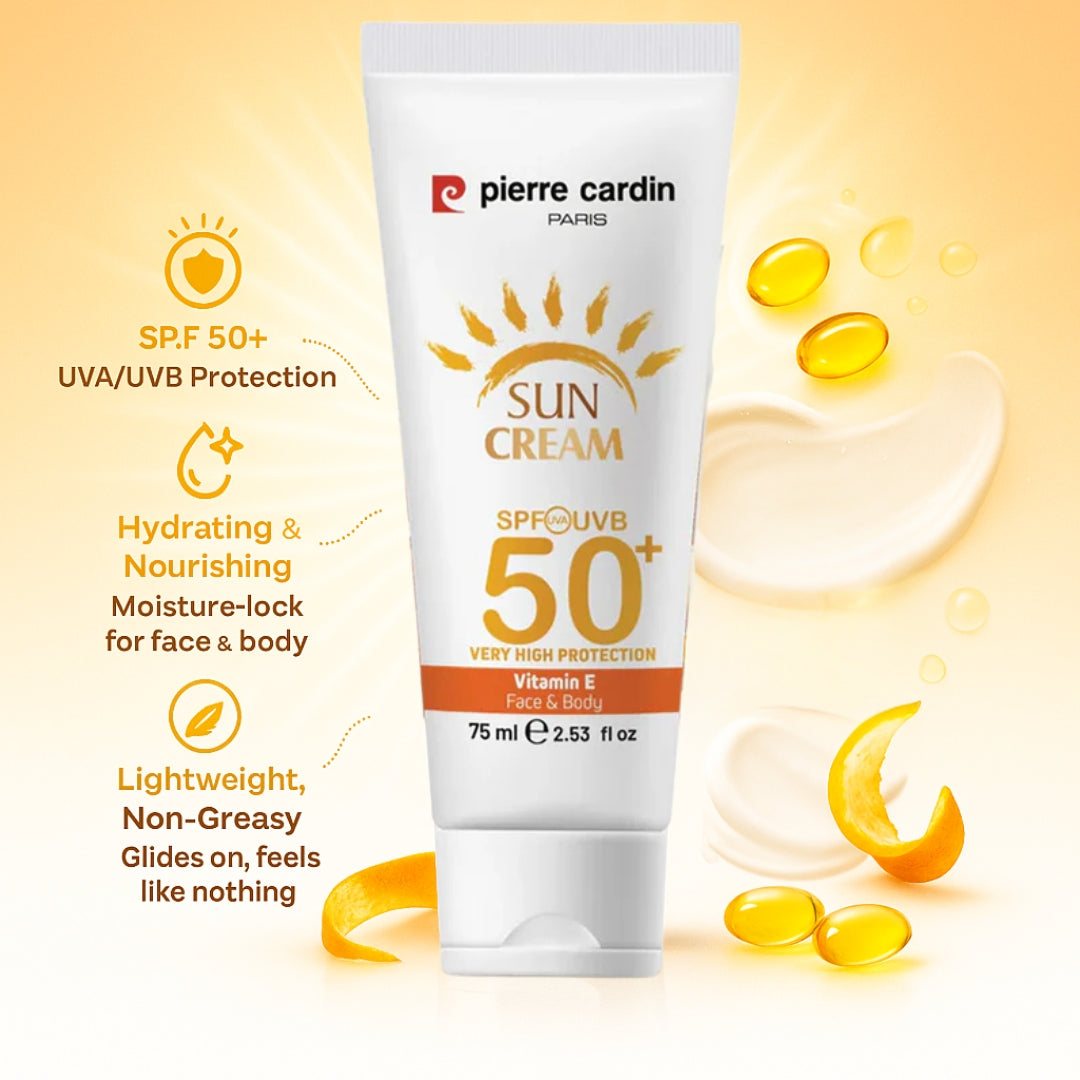
Credit: www.liftingitalia.com
Tips For Effective Sun Protection
Sun protection is more than just applying a moisturizer with SPF. It requires smart habits and careful steps. Good sun protection lowers risks of skin damage and keeps your face healthy. Simple tips help you get the best results from your sun protection moisturizer.
Learn how to apply your product correctly. Know when to reapply it. Use other safe sun habits together with your moisturizer. These steps make your skin safer under the sun.
Proper Application Techniques
Apply moisturizer on clean, dry skin. Use enough product to cover your entire face and neck. A nickel-sized amount usually works well. Gently spread it in even layers. Avoid rubbing too hard to protect skin barrier. Apply 15 to 30 minutes before going outside. Let it absorb fully for best effect.
Reapplying Sunscreen Throughout The Day
Sunscreen wears off over time. Reapply every two hours, especially when outdoors. After swimming or sweating, reapply immediately. Carry a small tube or spray for easy touch-ups. Don’t forget areas like ears, hairline, and under chin. Regular reapplication keeps protection strong all day.
Combining Moisturiser With Other Sun Safety Practices
Use shade whenever possible, especially midday. Wear wide-brimmed hats and sunglasses for extra defense. Avoid direct sun exposure for long periods. Wear protective clothing that covers arms and legs. Drink water often to keep skin hydrated. Combining these habits with your moisturizer boosts sun safety.

Credit: www.youtube.com
Frequently Asked Questions
What Makes A Moisturiser Best For Sun Protection?
The Best Sun Protection Moisturiser for Face combine hydration with broad-spectrum SPF. They shield skin from UVA and UVB rays. Ingredients like zinc oxide and titanium dioxide offer effective physical barriers. Lightweight, non-greasy formulas suit daily use. They also prevent premature skin aging and damage.
How Often Should I Reapply Sun Protection Moisturiser?
Reapply sun protection moisturiser every two hours, especially outdoors. If sweating or swimming, reapply more frequently. Consistent reapplication ensures continuous UV protection. Even waterproof formulas lose effectiveness over time. Always follow product-specific instructions for best results.
Can Sun Protection Moisturisers Replace Sunscreen?
Best Sun Protection Moisturisers for Face with SPF can replace sunscreen for daily use. Look for SPF 30 or higher with broad-spectrum coverage. For prolonged sun exposure, use dedicated sunscreen alongside moisturiser. This provides enhanced protection against intense UV rays. Moisturisers also keep skin hydrated while protecting.
Are Mineral Or Chemical Sunscreens Better In Moisturisers?
Mineral sunscreens contain physical blockers like zinc oxide; chemical ones absorb UV rays. Mineral types suit sensitive skin and offer immediate protection. Chemical sunscreens are often lightweight and blend easily. Choose based on skin type, preferences, and product formulation for best results.
Conclusion
Choosing the Best Sun Protection Moisturizer for Face helps keep your skin safe. Moisturiser blocks harmful rays and keeps your face hydrated. Apply it daily for healthy, glowing skin. Remember to reapply if you stay outdoors long. Protect your skin to avoid sun damage and early aging.
A good moisturizer with SPF is a simple step. Your skin will thank you with a fresh, smooth look. Stay consistent and enjoy the benefits every day. Sun protection is key to healthy skin care. Sur Koffrevance