

Are you tired of sunscreens that leave your oily skin feeling greasy and clogged? Finding the best sunscreen for oily skin can feel like a never-ending struggle.
You want protection from harmful UV rays, but without that heavy, shiny finish that makes you uncomfortable all day. Imagine wearing a sunscreen that controls oil, keeps your skin fresh, and still gives you strong sun protection. You’ll discover exactly what to look for and which products work best for your skin type. A gel based sunscreen for oily skin feels lightweight and prevents clogged pores
Keep reading to say goodbye to shine and hello to clear, protected skin every day.
Why Choose Sunscreen For Oily Skin
Choosing the right sunscreen for oily skin is important. Oily skin needs special care to avoid extra shine and clogged pores. Sunscreen protects your skin from sun damage without making it greasy. Using the correct formula helps keep your skin healthy and comfortable all day.
Challenges With Oily Skin
Oily skin produces more sebum than normal skin. This causes a shiny face and clogged pores. Many sunscreens feel heavy and sticky on oily skin. They can worsen acne and make skin look greasy. Finding a sunscreen that controls oil is hard but necessary.
Importance Of Lightweight Formulas
Lightweight sunscreens absorb quickly and do not block pores. They feel fresh and dry on oily skin. These formulas help control shine and keep skin smooth. Using lightweight sunscreen prevents breakouts and skin irritation. It allows skin to breathe while providing sun protection.
Key Features Of Ideal Sunscreens
Choosing the right sunscreen for oily skin needs special care. The ideal sunscreen protects skin without making it greasy. It should feel light and help control shine all day. Here are key features to find the best sunscreen for oily skin.
Oil-free And Non-comedogenic
Sunscreens labeled oil-free do not add extra oil to your skin. Non-comedogenic means they do not block pores. Clogged pores can cause breakouts, especially on oily skin. Pick products with these labels to avoid acne and shine.
Matte Finish And Oil Control
A matte finish helps skin look smooth and shine-free. Sunscreens with oil control ingredients absorb excess oil. This keeps your face fresh and comfortable throughout the day. Look for formulas that reduce shine without drying the skin.
Broad-spectrum Protection
Broad-spectrum sunscreens protect against both UVA and UVB rays. UVA rays cause aging, while UVB rays cause sunburn. Both can harm oily skin and cause damage. Choose sunscreens that offer this full protection to keep skin healthy.
Top Lightweight Sunscreens For Oily Skin
Choosing the right sunscreen for oily skin can be tricky. Heavy creams can feel sticky and cause breakouts. Lightweight sunscreens offer protection without clogging pores. They absorb quickly and leave a fresh feel. Here are the top options that work well for oily skin.
Gel-based Formulas
Gel sunscreens are light and non-greasy. They dry quickly on the skin and reduce shine. These formulas hydrate without adding oil. Many gels also have a cooling effect. They suit oily skin by preventing excess oil buildup.
Fluid And Water-based Options
Fluids and water-based sunscreens are thin and easy to spread. They feel weightless and absorb fast. These types avoid heavy residue on the face. Water-based sunscreens help control sweat and oil. Ideal for daily use under makeup or alone.
Mineral Sunscreens With Matte Effects
Mineral sunscreens use zinc oxide or titanium dioxide. They sit on top of the skin to block UV rays. Matte formulas reduce shine and leave a smooth finish. These sunscreens calm sensitive and oily skin. They provide broad protection without a greasy feel.
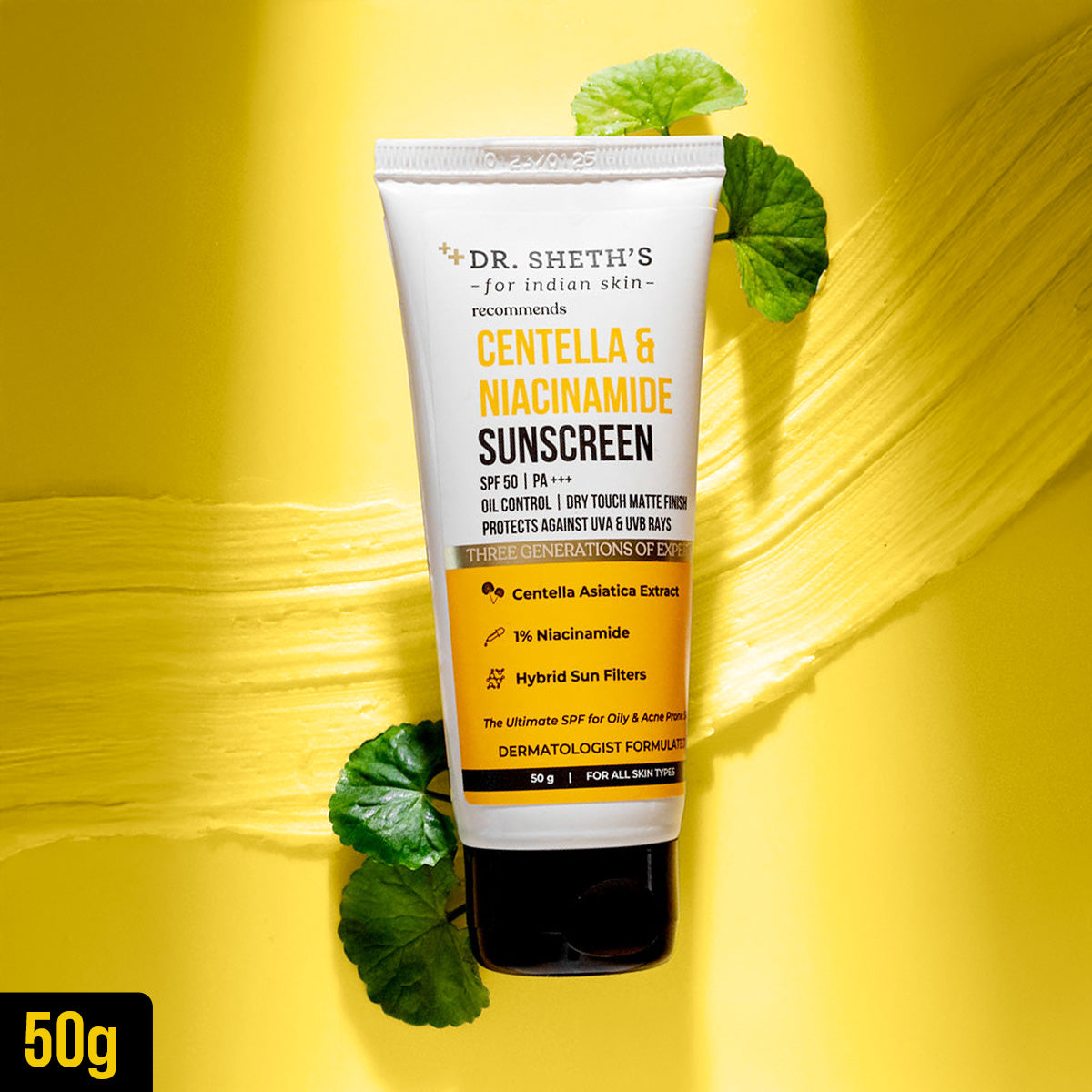
Credit: www.drsheths.com
How To Apply Sunscreen On Oily Skin
Applying sunscreen on oily skin requires a careful approach. The right method ensures protection without increasing shine or clogging pores. Follow simple steps to keep your skin safe and fresh all day.
Proper Amount And Technique
Use enough sunscreen to cover your face well. A nickel-sized dollop usually works best. Dab small dots on your forehead, cheeks, nose, and chin. Gently spread it outwards using your fingertips. Avoid rubbing hard to stop irritation and excess oil. Let the sunscreen absorb fully before applying makeup.
Combining With Other Skincare Products
Apply sunscreen after your moisturizer but before makeup. Choose lightweight, oil-free products for oily skin. Layering thick creams can block pores and cause breakouts. Allow each product to dry before adding the next. This method keeps your skin balanced and protected.
Common Mistakes To Avoid
Choosing the best sunscreen for oily skin can be tricky. Many people make mistakes that worsen oiliness or cause breakouts. Avoiding these errors helps protect skin without extra shine. Here are common mistakes to watch out for.
Skipping Sunscreen Due To Shine
Oily skin often feels shiny. Some skip sunscreen to avoid this look. This is a big error. Sunscreen protects against sun damage and aging. You can find formulas made for oily skin. These leave a matte finish and control shine. Never skip sunscreen because of fear of oiliness.
Using Heavy Or Creamy Sunscreens
Heavy sunscreens clog pores and increase oil. Creamy textures can feel greasy on oily skin. Look for light, gel, or water-based sunscreens. These absorb quickly and do not block pores. Using heavy sunscreen leads to breakouts and more shine. Choose formulas labeled “non-comedogenic” and “oil-free.”

Credit: www.youtube.com
Additional Tips For Managing Oily Skin
Managing oily skin requires more than just choosing the right sunscreen. Small daily habits can help control shine and keep skin healthy. This section shares extra tips to support your oily skin care.
Daily Skincare Routine
Cleanse your face twice daily with a gentle, oil-free cleanser. Avoid harsh scrubs that irritate skin and cause more oil. Use a lightweight, non-comedogenic moisturizer to keep skin hydrated. Apply sunscreen designed for oily skin with a matte finish. Blot excess oil during the day using oil-absorbing sheets. Avoid touching your face frequently to reduce dirt and oil buildup.
Diet And Lifestyle Factors
Drink plenty of water to keep skin hydrated from inside. Reduce intake of greasy and fried foods that can increase oil production. Eat more fruits and vegetables rich in vitamins and antioxidants. Manage stress through exercise or relaxation techniques as stress can cause oily skin. Get enough sleep every night to support skin repair and balance.
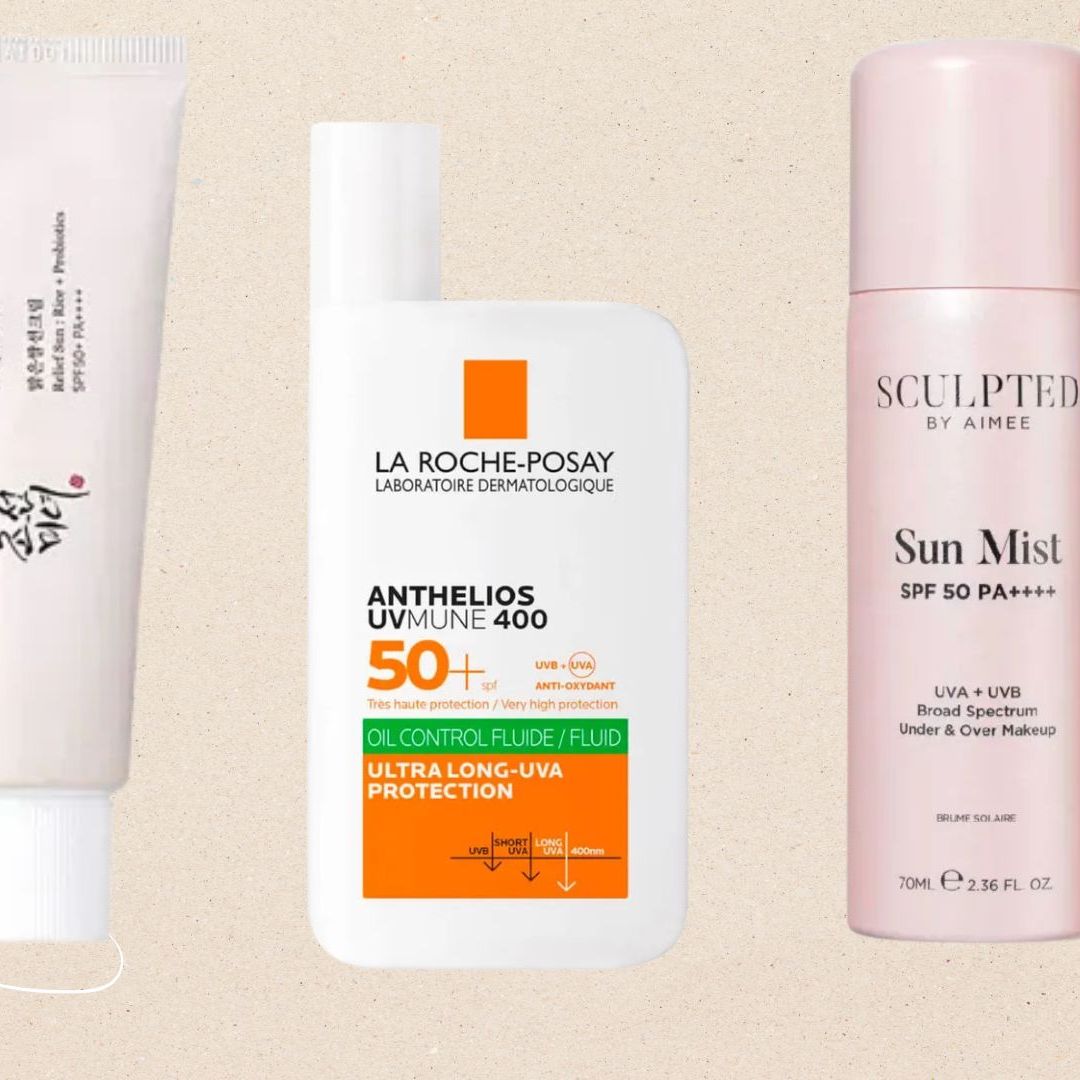
Credit: www.womanandhome.com
Frequently Asked Questions
What Ingredients Are Best For Oily Skin Sunscreen?
Look for sunscreens with mattifying agents like silica or clay. Non-comedogenic formulas with zinc oxide or titanium dioxide are ideal. Avoid heavy oils or fragrances that can clog pores and cause breakouts.
How Often Should Oily Skin Apply Sunscreen Daily?
Apply sunscreen every two hours if exposed to sunlight. Reapply after sweating or swimming to maintain protection. Daily use, even indoors, prevents damage and oil imbalance.
Can Sunscreen Reduce Oiliness On The Skin?
Yes, mattifying sunscreens absorb excess oil and reduce shine. They contain lightweight, oil-free ingredients that control sebum without drying skin. Choose gel-based or mineral sunscreens for best results.
Is Spf 30 Enough For Oily Skin Protection?
SPF 30 blocks 97% of UVB rays, suitable for daily use. For extended outdoor activity, higher SPF like 50 offers better protection. Always select broad-spectrum sunscreens to guard against UVA and UVB rays.
Conclusion
Choosing the right sunscreen helps keep oily skin healthy and fresh. A light, non-greasy formula stops shine and protects from sun damage. Regular use prevents acne and skin problems. Pick sunscreens labeled “oil-free” or “matte finish” for best results. Remember to apply sunscreen every day, even when indoors or cloudy.
Healthy skin starts with smart care and good habits. Protect your skin and enjoy a clear, glowing face all year. Simple steps lead to better skin. Snap Herplex Hub